
Best Wearable Breast Pumps of 2026: An IBCLC's Honest Guide
By Jennifer Chivas, RN BSN IBCLC — Lactation Loop
Wearable breast pumps have completely changed the game for pumping moms. The ability to pump discreetly while working, driving, cooking, or chasing a toddler — without being tethered to a wall — sounds like a dream. And for many moms, it is.
But there's something the product pages don't tell you. And as IBCLCs, we see the consequences of it every single day.
This guide walks you through the best wearable breast pumps of 2026, who each one works best for, and — most importantly — the one mistake most moms make that tanks their milk supply before it ever has a chance to get established.
What Is a Wearable Breast Pump?
A wearable breast pump — also called a hands-free pump — is a wireless, battery-operated pump that sits inside your bra and allows you to pump without holding anything. No cords. No sitting in one place. No visible tubes.
Brands like Elvie, Willow, Momcozy, and Eufy have dominated this space — and the technology has improved dramatically in the last few years. Many now offer hospital-grade suction, app connectivity, and multiple flange sizes.
They are genuinely impressive pieces of technology. And they absolutely have a place in your pumping toolkit. The key word is: toolkit.
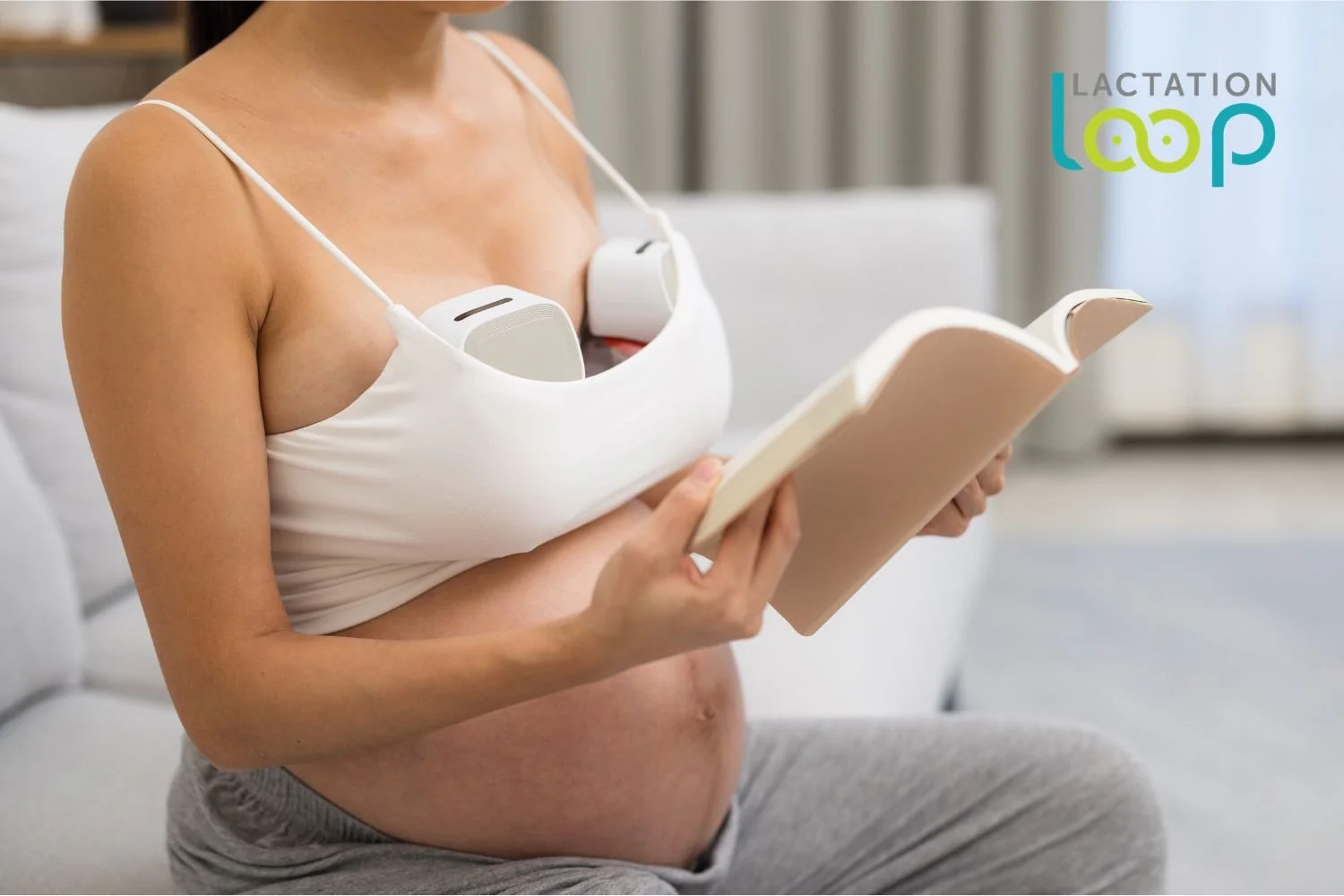
The IBCLC Warning Every Pumping Mom Needs to Hear
Before we get into the reviews, this needs to be said clearly: Wearable pumps are not recommended as your primary pump in the early weeks of breastfeeding.
Here's why: In the early days postpartum, your body is working hard to establish milk supply. The single most important thing during this window is complete, effective breast drainage — every time you pump. Your supply is built on demand. If your breast isn't fully drained, your body gets the signal to make less milk.
Wearable pumps, despite their many advantages, have some real limitations for early breastfeeding:
Flange sizing is harder to get right. The construction of most wearable pumps makes it difficult to assess whether your flange truly fits — and a poor fit means poor output and potential nipple damage.
They're not ideal during engorgement. In the early days when your breasts are full and firm, the cup design of most wearables doesn't accommodate engorgement well.
Suction patterns are different. Most wearables use a single-phase suction pattern that isn't as effective at mimicking a baby's nursing rhythm as a traditional double electric.
Our recommendation: Establish your milk supply and confirm your flange sizing with a traditional double electric pump first — like the Spectra S1 or S2, Motif, Pumpables Genie, Baby Buddha or hospital grade Medela. Once your supply is stable (typically 6-8 weeks postpartum), wearable pumps become an excellent addition for on-the-go pumping sessions.
If you're unsure about your flange sizing or struggling with output, book a virtual or in-home session with one of our IBCLCs. Getting this right early makes everything easier.
The Best Wearable Breast Pumps of 2026
1. Eufy Wearable Breast Pump S1 Pro — Best overall
The Eufy S1 Pro has quickly become one of the most recommended wearable pumps among lactation professionals and pumping moms alike. It offers hospital-grade suction up to 300 mmHg, built-in HeatFlow warming to encourage letdown, app control, and impressive battery life.
Best for: Moms returning to work who need a reliable, powerful wearable for daily use once supply is established.
IBCLC note: The warming feature is a genuine advantage — heat before pumping helps with letdown and can improve output. One of the more thoughtfully designed wearables on the market. Heat should only be used during pumping. Heat would not be recommended for women with overactive letdown or oversupply.
2. Willow Go — Best for discreet, spill-proof pumping
The Willow Go offers a fully wireless, in-bra experience with spill-proof technology — meaning you can lean forward, bend over, or move around without worrying about milk spilling. It's quieter than most wearables and fits well in most pumping bras.
Best for: Moms who need to pump discreetly at work or in public settings.
IBCLC note: Flange fit is critical with the Willow. Have your sizing confirmed by an IBCLC before relying on this pump exclusively — the cup design makes self-assessment difficult.
3. Elvie Pump — Best for quiet, discreet pumping
The Elvie is available and has been a favorite for moms who have oversupply or overactive letdown, and pump in office environments or shared spaces due to its quiet nature. App connectivity allows you to track sessions and output from your phone.
Best for: Moms who don't need maximum suction strength.
IBCLC note: The Elvie works best for moms with an established supply. Some users report the suction isn't strong enough to maintain supply if used as a primary pump exclusively. Works beautifully as a secondary pump.
4. Momcozy M9 / S12 Pro — Best budget-friendly option
Momcozy has become the go-to brand for moms who want a solid wearable pump without the premium price tag. The M9 and S12 Pro both offer multiple suction levels, reasonable battery life, and a more accessible price point than Elvie or Willow.
Best for: Moms who want hands-free pumping on a budget, or as a second pump for occasional use.
IBCLC note: A solid option for supplemental pumping once supply is established. Not our first recommendation as a primary pump for a newborn.
5. Baby Buddha — Best for moms who need maximum portability with strong suction
The Baby Buddha is unique — it's technically a portable pump (not fully wearable) but pairs with a wearable collection cup to give you a hands-free experience with stronger suction than most true wearables. Tiny, lightweight, and powerful.
Best for: Exclusive pumpers who need strong suction but also want mobility.
IBCLC note: The Baby Buddha 2.0 is one of the few portable options that can genuinely rival a traditional double electric for suction strength. A great option for exclusive pumpers who want more freedom of movement.
6. Pumpables Genie Advanced — Best for hard-to-fit flanges and customization
The Pumpables Genie stands out for its portability, ability to program settings, and wide range of flange sizes and highly customizable suction settings — making it one of the more IBCLC-friendly wearable options. If you've struggled to find a flange that fits with other wearables, this is worth exploring.
Best for: Moms who want preprogrammed settings, are on the go, and who have had flange sizing challenges with other wearable brands.
IBCLC note: We appreciate that Pumpables takes flange fit seriously. More size options = better fit = better output. Still recommend confirming sizing with an IBCLC before committing.
Which Wearable Pump Is Right for You?
Just had a baby, establishing supply → Use a traditional double electric first. Add a wearable at 3-8 weeks.
Returning to work, supply established → Eufy S1 Pro or Willow Go
Oversupply, fast letdown, maximum discretion and quiet → Elvie
Budget-conscious → Momcozy M9 or S12 Pro
Exclusive pumper needing strong suction → Baby Buddha 2.0
Programmed settings, struggling with flange fit → Pumpables Genie Advanced
Does Insurance Cover Wearable Breast Pumps?
Yes — many wearable pumps are covered under the Affordable Care Act. Most commercial insurance plans cover one breast pump per pregnancy, and many wearable options including Elvie, Willow, Eufy, and Momcozy models are included.
Coverage varies by plan. Our team helps families navigate insurance verification before their first appointment — contact us and we'll help confirm your benefits.
Frequently Asked Questions
Are wearable breast pumps as effective as traditional pumps?
For most moms with an established supply, a quality wearable can maintain output effectively. However, in the early weeks when supply is being established, a traditional double electric pump provides more reliable, complete drainage. We recommend using a traditional pump as your primary pump for at least the first 6-8 weeks.
Can I use a wearable pump exclusively?
It depends on your situation. If your supply is well established and you're not an exclusive pumper, many moms do fine using a wearable as their primary pump. If you're exclusively pumping, working to increase supply, or still in the early weeks, we recommend a traditional double electric as your main pump with a wearable as a secondary option.
How do I know if my wearable pump flange fits correctly?
Signs of a poor fit include nipple pain, reduced output, discomfort during pumping, or visible blanching of the nipple after a session. Because flange fit is difficult to self-assess with wearable pumps, we strongly recommend having an IBCLC observe a pumping session and confirm your sizing.
My wearable pump output dropped suddenly — what's wrong?
Sudden drops in output with a wearable pump are usually related to flange fit, a worn membrane or valve, or changes in your supply. Check your pump parts first — membranes and valves should be replaced every 4-8 weeks. If parts are fine, book a session with an IBCLC to assess fit and supply.
Get Expert Help from a Lactation Loop IBCLC
Choosing the right pump is one thing — using it correctly is another. Our board-certified IBCLCs can observe your pumping session live, confirm your flange sizing, troubleshoot output issues, and create a personalized pumping plan that works for your life.
We offer virtual consultations available to families in all 50 states, plus in-home and in-office visits in Michigan, Florida, Texas, New York, North Carolina, and Indiana. Most insurance accepted — most families pay $0.
Book an appointment: lactationloop.com/services
Call us: 941-254-2502
Related Reading:
How to Measure Your Breast Pump Flange Size — lactationloop.com/blog/breast-pump-flange-sizing-an-ibclcs-complete-guide
Breast Pumping Questions Answered — lactationloop.com/blog/the-complete-pumping-guide-for-new-moms-everything-your-ibclc-wants-you-to-know
Why Is My Baby Fussy at the Breast? — lactationloop.com/blog/fussy-baby-at-the-breast-why-babies-pull-away-cry-or-fuss-while-nursing